Mastering GO Train Schedules
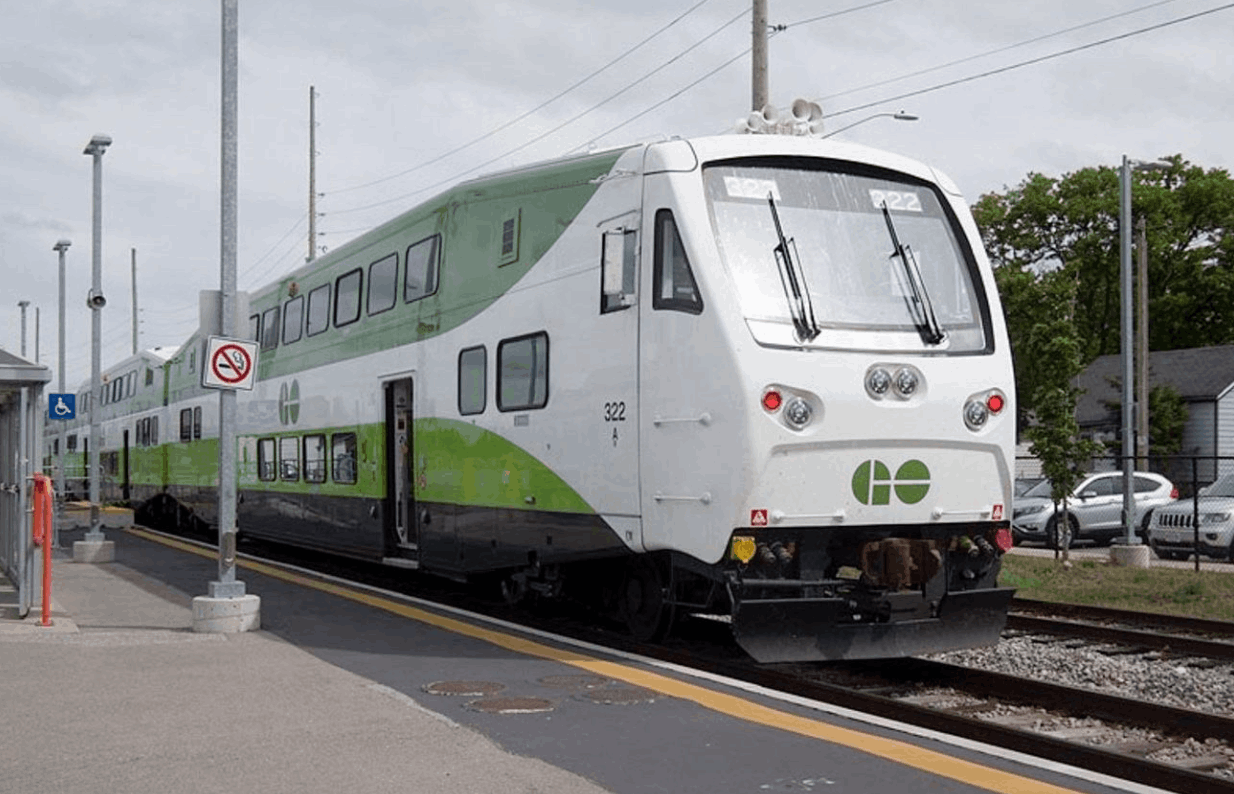
Mastering GO Train Schedules starts with understanding the backbone of Ontario's commuter rail network. GO Transit operates an extensive system of GO train lines radiating from Toronto's Union Station, serving key destinations like Barrie, Kitchener, Milton, Richmond Hill, Stouffville, and Lakeshore East and West corridors. Whether you're heading to work in the GTA or exploring beyond, grasping GO train schedules ensures you never miss a beat. These schedules are meticulously planned around peak commuting times, with frequencies ramping up during rush hours—every 15-30 minutes on major lines like Lakeshore—and tapering off in off-peak periods. Always cross-reference with the official GO Transit website or app, as seasonal changes, construction, or events can tweak timings for GO train services across Ontario.
To dive deeper, begin your GO train schedule mastery by identifying your route. For instance, the Barrie GO train line offers morning inbound services starting as early as 5 AM from Allandale Waterfront GO station, arriving at Union by 7:30 AM, perfect for downtown Toronto workers. Outbound GO train schedules mirror this, with frequent departures until late evening. Use the GO Transit journey planner tool: input your origin, destination, and time preferences, and it spits out tailored GO train options, including connections to GO bus feeders at interchanges like Clarkson GO for Mississauga extensions. This tool factors in real-time disruptions, making it indispensable for reliable Ontario travel planning.
Live updates are your best friend when mastering GO train schedules. The GO Transit app pushes notifications for delays, cancellations, or platform changes—crucial during winter storms that often hit Ontario hard, slowing GO train speeds on exposed tracks. Subscribe to email alerts for your frequent GO train routes, and bookmark the Trip Updates page on the GO Transit site. Riders who check 15 minutes before departure report far fewer mishaps. Pair this with PRESTO card scanning habits; tap on and off every GO train ride to track your usage and avoid fines, tying directly into schedule adherence for seamless ticketing.
Peak versus off-peak GO train schedules demand strategic thinking. Rush hours—weekdays 6-10 AM inbound and 3-7 PM outbound—feature express GO train services skipping minor stops for speed, like non-stop Lakeshore GO train from Oshawa to Union in under an hour. Off-peak, GO train frequencies drop to hourly, but fares are cheaper, ideal for students or flexible schedules. Always verify holiday GO train adjustments; GO Transit runs reduced schedules on statutory days, so plan ahead with their online calendar. Integrating GO train schedules with GO bus timetables amplifies efficiency—many GO train stations like Kipling have direct GO bus links, creating hybrid journeys across Ontario's network.
For long-haul GO train trips, like Toronto to Kitchener, master the extended schedule blocks. These GO train services operate hourly during peaks, with amenities like quiet zones and bike racks—reserve via the GO Transit app for popular slots. Ticket purchasing aligns perfectly here: buy e-tickets or load PRESTO in advance to board GO train without queues. Delve into GO Transit's Weekend Express GO train schedules for recreational travel, offering direct shots to Niagara or summer lake spots. Consistent checking reveals patterns, like maintenance windows closing lines midweek, prompting GO bus alternatives.
Advanced GO train schedule tactics include multi-leg planning. Suppose you're traveling from Richmond Hill GO to Hamilton: chain the GO train to Union, then transfer to Lakeshore West GO train, timing it under 90 minutes. The GO Transit app visualizes this with maps and ETAs, incorporating walking times between platforms. For groups, GO train group passes via the GO Transit site save big—book 10+ days ahead for peak slots. Weather apps synced with GO Transit forecasts help preempt slippery rail issues common in Ontario winters.
Seasonal nuances elevate your GO train schedule prowess. Summer brings festival surcharges on GO train lines to events like Canadian National Exhibition, with extra cars added—check capacity alerts. Fall foliage peaks mean crowded GO train weekends to Muskoka-area stops; opt for early GO train departures. GO Transit's annual schedule release in December sets the year's blueprint, so download PDFs for offline access during spotty signals on rural GO train stretches.
Finally, community insights refine GO train mastery. Forums buzz with tips like arriving 20 minutes early for parking at outer GO train stations such as Mount Pleasant, where lots fill fast. Track record shows GO train on-time performance hovers at 90%, bolstered by your proactive schedule use. By internalizing these elements—routes, apps, peaks, integrations—you transform GO train schedules from puzzle to powerhouse, ensuring every Ontario journey via GO Transit is timely, efficient, and empowering. Regular riders who live by GO train schedules swear by the freedom it unlocks, from career commutes to spontaneous getaways.